
Could Pollen Be Blocking Your Solar Energy Savings?
Spring feels fresh. Flowers bloom, trees wake up, and the air feels warmer. However, that yellow dust on your car may also land on your solar panels. At first, pollen may seem harmless. Yet, it can sit on glass and block sunlight from reaching solar cells. As a result, your system may produce less power. That means your home may pull more energy from the grid. So, your electric bill may rise when you expect savings. The good news is simple. When you understand how pollen affects solar panel performance, you can spot issues early. Then, you can protect your solar energy savings with smart, safe care.
Why Pollen Build-Up Matters For Solar Panel Output
Pollen looks soft, but it can cause real soiling on solar panels. It sticks to glass, especially after light rain or morning dew. Then, it forms a thin film over your panels.
Because solar panels need sunlight, even a light layer can matter. Less light means less solar power. So, your system may work harder while making less energy. Also, pollen often arrives during bright spring days. That timing matters. Spring can be a strong season for solar production. So, blocked sunlight can cut into your savings when your panels should be performing well.
“Small buildup can create a big surprise on your energy bill.” For homeowners, this means one thing. A clean panel can turn more sunlight into usable power.
How Pollen Buildup Reduces Solar Energy Savings
Solar panels use light, not heat, to make energy. So, anything on the glass can reduce output. Pollen, dust, leaves, and bird mess can all block light. However, pollen can be tricky. It spreads evenly across the panel. Because of that, you may not notice it from the ground. Yet, your app may show lower daily production.
Here is the simple chain:
- Pollen lands on the panels.
- Moisture helps it stick.
- Sunlight gets blocked.
- Power output drops.
- Grid use may rise.
- Monthly savings may shrink.
Therefore, pollen is not just a cleaning issue. It is also a money issue. When your panels make less power, your home may lose part of its solar advantage.
Signs Pollen Could Be Reducing Solar Output
You do not need to climb on your roof to spot a problem. In fact, you should stay safe and check from the ground when possible.
Watch for these signs:
- Your solar app shows a sudden drop.
- Your panels look yellow, dull, or hazy.
- Your car, patio, or windows have heavy pollen.
- Your bill rises during sunny weeks.
- Rain falls, but production does not bounce back.
Also, compare sunny days with similar weather. If one clear day makes much less power than another, buildup may be the cause.
Still, pollen is not always the only reason. Clouds, shade, inverter issues, or grid limits can also affect output. So, look for patterns before making a call.
Rain Helps Clean Panels But Often Is Not Enough
Many people think rain cleans solar panels. Sometimes, it does. Heavy rain can wash away loose dust. However, pollen can cling after rain. That happens because pollen can mix with moisture. Then, it can dry into a sticky layer. So, a light shower may spread it rather than remove it.
“Rain can rinse panels, but it may not restore full performance.” This matters after peak pollen season. Your panels may look cleaner, yet still carry a film. As a result, your system may recover slowly. Also, roof angle matters. Steeper panels shed pollen better. Flatter panels may hold more grime. Therefore, two homes on the same street can see different results.
Pollen Dust And Solar Output At A Glance
| Problem | What It Does | What You Can Do |
| Pollen | Blocks sunlight and sticks after dew | Check the output during the spring |
| Dust | Builds up during dry weather | Watch after long dry spells |
| Bird mess | Creates hard shade spots | Remove safely when noticed |
| Leaves | Cover panel sections | Trim nearby branches |
| Light rain | May smear pollen | Recheck production afterward |
This table helps you act faster. First, look at the likely cause. Then, match it with a safe response. Also, keep notes in your solar app. Over time, those notes help you see what most affects your home.
Safe Ways To Clean Solar Panels With Pollen
Safety comes first. Solar panels sit on roofs, and wet roofs can be dangerous. So, do not climb up unless you have proper training and gear.
Instead, start with simple steps:
- Check your solar app weekly in spring.
- Look at panels from the ground.
- Use binoculars for a better view.
- Compare output on clear days.
- Avoid harsh cleaners or rough brushes.
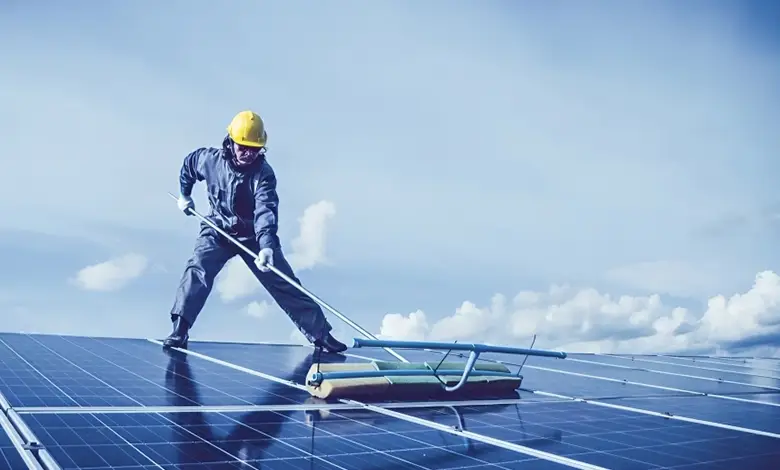
If your panels are reachable from the ground, use plain water and a soft tool—also, clean early in the morning or late in the evening. Hot glass can crack if cold water hits it.
Never spray water near exposed wiring. Also, do not use pressure washers. They can harm seals and frames.
7. When Cleaning May Make Sense
Cleaning is not always needed. Sometimes, rain and wind handle light buildup. However, cleaning may help when pollen stays for weeks.
Quick Solar Panel Check Before Cleaning
Look at three things. First, check your solar app. Next, check local pollen counts. Then, check your bill. If all three point to a loss of output, cleaning may make sense. Also, think about your setting. Homes near trees, fields, farms, or busy roads may collect more buildup. Areas with long dry spells may also see more soiling.
Still, avoid over-cleaning. Too much scrubbing can wear surfaces. So, clean only when signs point to a real drop. Your goal is simple. Spend less time guessing and more time saving.
Keep Solar Panels Clear To Protect Energy Output
Pollen may seem small, but it can quietly block your solar energy savings. However, you are not powerless. When you monitor your system, compare sunny days, and act safely, you can capture more of the energy your panels should produce.
Also, remember that every home is different. Trees, roof angle, weather, and local pollen all play a role. So, use your solar data as your guide. In the end, clean panels can help your home make better use of sunlight. That means more value from your system and fewer bill surprises. For homeowners who want clear advice on solar panel care, Global Green Solar can be part of that helpful conversation.