
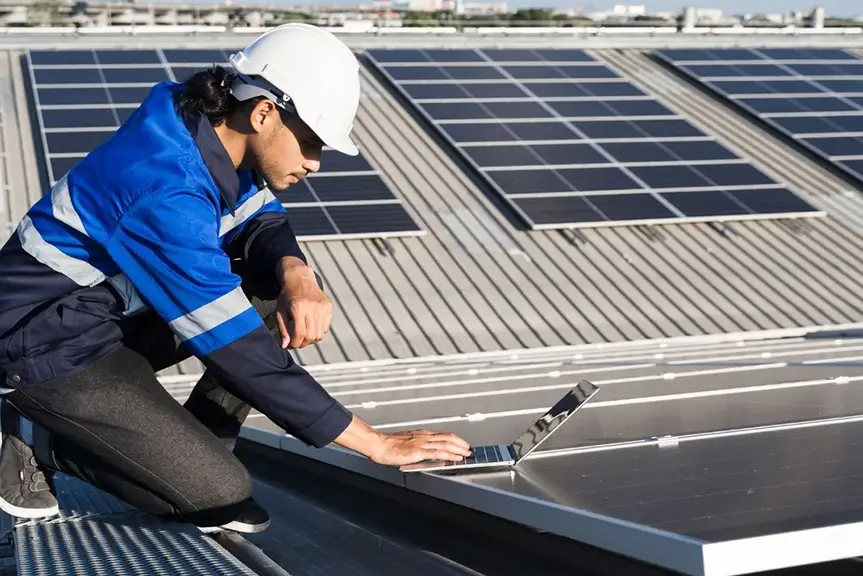
Every roof in North Hills carries its own sun exposure, roof age, and electrical setup, and that's the first thing we look at before we talk about panel brands or pricing. Global Green Solar has installed residential solar systems across the San Fernando Valley for 10+ years, and the systems that hold up best over time are the ones designed around the actual house — not a template pulled off a shelf.
If your summer electric bills keep climbing, or you're tired of paying LADWP for power your own roof could generate, we'll walk your property, review your real usage history, and tell you honestly whether solar makes sense for your home right now — including if the answer is 'not yet.'
North Hills sits in the San Fernando Valley, which means long, hot, sun-heavy summers and relatively mild winters — good conditions for solar production most of the year. It also means two things worth planning around: valley heat can reduce panel efficiency slightly during peak summer afternoons (higher temperatures lower panel output even with more sun), and the neighborhood's mix of roof styles — tile, shingle, and flat-roof additions common in older Valley homes — each call for a different mounting approach. We factor both into the system design rather than using a one-size number for 'Southern California sun.'
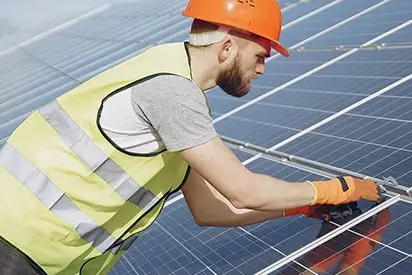
Solar isn’t the right move for every homeowner at every point in time. Based on the installs we’ve done across North Hills, this tends to make the most sense for homeowners who:
If your roof needs replacement soon or you’re planning to move within the next few years, solar may still make sense—but we’ll help you determine the right order of projects before you invest.
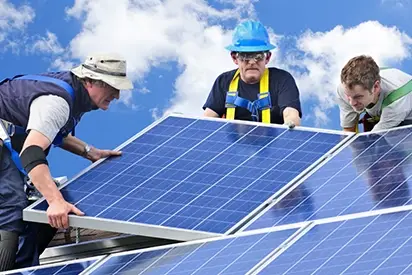
We don't size a system off an online form. Before recommending anything, we look at:
Only after that walk-through do we talk system size. Most North Hills homes land somewhere between 5kW and 10kW, but yours might sit outside that range — we'll show you the math behind whatever number we recommend rather than just handing you a figure.
Before recommending any system, we evaluate a few important factors.
Is the roof structurally sound enough to carry the mounting hardware for 20+ years?
Is there enough usable roof area with decent sun exposure, or would panel output be seriously limited by shade?
Does the home's electrical panel need an upgrade first?
Is there an HOA, and if so, what does it require for approval?
If a home doesn’t check out on one of these, we say so — even if it means the project waits or changes shape. That’s a cheaper conversation to have upfront than after installation.
Solar makes sense for most homes we evaluate, but not all of them, not immediately. A few examples of when we'd suggest holding off or changing the plan:
We'd rather tell you this before you sign anything than after.
Most straightforward residential installs are on the roof for 1–2 days, though permitting and utility interconnection run on a separate timeline that varies by jurisdiction — we'll give you a realistic estimate for both once we've seen your property.
This comes up on almost every project, so it's worth explaining plainly. A string inverter is cheaper and simpler, and works well when your roof has consistent, unshaded sun exposure across all panels. Microinverters cost more per panel but let each panel operate independently — so if one panel is shaded or underperforming, it doesn't drag down the whole array's output. For roofs with partial shading, multiple angles, or dormers breaking up the sun exposure, microinverters usually pay for themselves in extra production. We'll tell you which fits your specific roof rather than defaulting to whichever we happen to stock.
Not every homeowner needs battery storage. If your primary goal is lowering electric bills, a grid-connected solar system without batteries is often the most cost-effective choice. If backup power is important for medical equipment, a home office, or outage protection, we'll provide battery pricing alongside your solar estimate so you can compare both options.
If you think you may add a battery later, let us know during the design stage. Planning for future storage during the initial installation is often more cost-effective than modifying the system afterward.
Solar panels require very little maintenance, but a few simple checks help keep the system performing efficiently.
If a panel underperforms or fails, it can usually be replaced without affecting the rest of the system. Manufacturer warranties commonly cover panel defects, while workmanship coverage depends on the installation agreement. We'll explain both before your project begins.
If you sell your home, we'll explain how owned, financed, or leased solar systems typically transfer so you understand the process before making your investment.
The biggest difference comes down to predictability. Utility bills can continue changing over time, while solar helps make your long-term energy costs more predictable. Whether solar is the right investment depends on your roof, your electricity usage, and how long you plan to stay in your home.
Rather than relying on generic savings estimates, we'll review your actual energy usage and explain what makes financial sense for your specific situation.
It depends on system size, roof complexity, and whether a panel upgrade is needed, so we don't quote a number sight unseen. What we can tell you upfront: we'll show you the full cost breakdown before you commit to anything, not just a monthly payment figure.
Not when the mounting is done correctly. We flash every penetration point and match the attachment method to your specific roof material. If your roof is older or already showing wear, we'll flag that before installation rather than after.
Most panels carry a 25-year manufacturer performance warranty, though real-world output declines gradually rather than stopping at that mark. Inverters typically have a shorter lifespan and may need replacement partway through the panels' life — we'll walk you through the specific warranty terms for the equipment we install.
Most California HOAs can't outright block solar due to state law protecting homeowners' right to install it, but they can typically set reasonable placement and aesthetic guidelines. We can help you understand what your HOA is allowed to require versus what's simply a preference.
Usually yes, though it's often cheaper to wire for a future battery during the initial install than to add that wiring afterward. If there's a chance you'll want storage down the road, mention it during your consultation so we can design around it.