
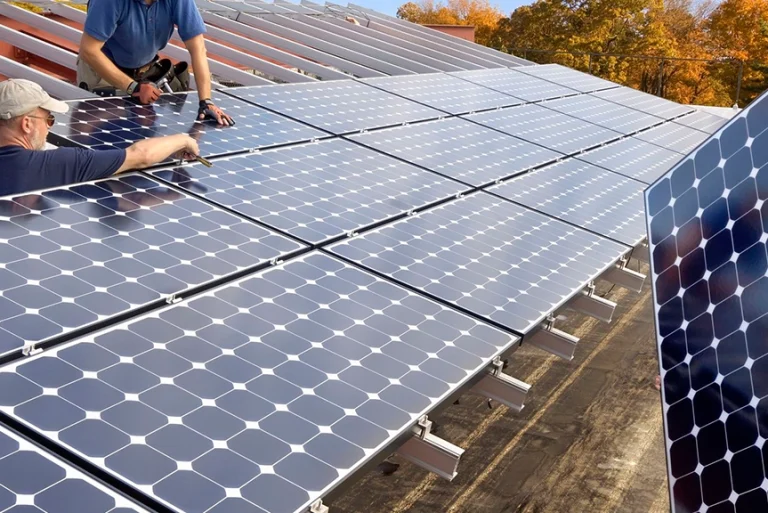
Commercial solar projects involve different challenges than residential installations, including larger electrical loads, commercial roof systems, business uptime, and more complex financial decisions. Global Green Solar has helped businesses across the San Fernando Valley design systems based on real energy usage—not generic estimates.
If your business is paying steep demand charges, running heavy equipment during peak utility rate hours, or simply tired of electricity costs eating into margin, we'll walk the property, review twelve months of interval usage data, and give you a straight answer on whether solar makes financial sense for your building right now — including when it doesn't.
Request a Commercial Solar Assessment — or call (818) 262-4458
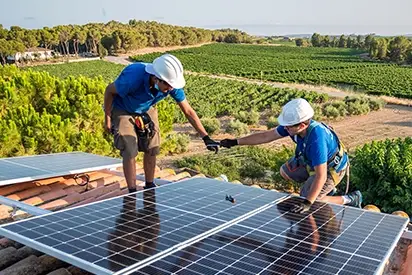
Commercial properties throughout North Hills and the San Fernando Valley benefit from strong solar production, but every building is different. Warehouses, retail centers, and industrial facilities all have unique electrical loads, roof layouts, and operating schedules. Valley heat can also reduce panel output during peak afternoon hours, so we account for those conditions when designing the system rather than relying on generic production estimates.
Commercial solar isn't automatically the right move for every property, and the businesses where it pays off fastest tend to share a few traits:
If your roof needs major repair soon, or your lease is ending within a few years, solar can still make sense — but we'll help you sequence that against a re-roof or lease renewal before committing capital to it.
Before we talk panel count or price per watt, we build a picture of how your building actually uses power:
Commercial systems vary widely in size, but every recommendation is based on your building's electrical demand, roof capacity, and long-term business goals rather than square footage alone.

A commercial roof carries more weight, more equipment, and more liability than a residential one, so we evaluate a longer list before quoting anything:
If something doesn't check out, we say so before drawing up plans. A commercial project that stalls mid-permitting because of an electrical service issue is a far more expensive problem than catching it during the assessment.
Solar pencils out for most of the commercial properties we assess, but not every building, and not always at full scale immediately:
In any of these cases, we'll walk you through the tradeoffs rather than push a project that doesn't hold up.
Installation timelines vary far more on commercial projects than residential ones, since roof size, electrical scope, and utility interconnection review all factor in — we'll give you a realistic schedule once we've completed the site assessment.
Structural and electrical drawings are prepared for permitting while utility interconnection is coordinated.
The mounting system is selected to match your roof type and protect its long-term integrity.
Installation is scheduled around your operating hours to minimize disruption.
Equipment is installed for safe operation and future service access.
We verify performance, configure monitoring, and review the system with your facilities team.
String inverters are the most common choice for straightforward commercial roofs with consistent sun exposure. Central inverters can reduce equipment costs on large systems but concentrate more production in a single unit. Power optimizers improve performance on roofs with shading or multiple roof sections. We'll recommend the option that best matches your building rather than pushing a particular product.
Commercial solar can be purchased with cash, financed through a loan, or installed through a lease or power purchase agreement (PPA). The right option depends on your tax position, available capital, cash flow goals, and how long you expect to own the property. We'll explain the advantages of each approach and provide the information your accountant needs before you make a decision.
Commercial systems see more usage and more rooftop traffic than residential ones, so ongoing care tends to matter more to the bottom line:
Individual panels can usually be replaced without affecting the rest of the system. We’ll also explain how warranties, ownership, and financing transfer if the property is sold or the tenant changes.
Commercial utility bills are influenced by both electricity usage and demand charges. A properly designed solar system can reduce operating costs, but the financial benefit depends on your building’s load profile, roof space, and long-term ownership plans. We’ll model expected performance using your actual utility data rather than generic savings estimates.
Cost depends heavily on system size, roof type, and whether your electrical service needs upgrading, so we don't quote a number without a site visit. What we will do upfront is walk you through the full cost breakdown, available tax incentives, and financing structures before you commit to anything.
It can, if the mounting isn't coordinated with your roofing manufacturer's requirements. We work with the roof membrane type on your building and can coordinate directly with your roofing contractor or manufacturer to keep your existing roof warranty intact.
It varies more than residential timelines because of permitting scope and utility interconnection review, which for larger systems can take longer than the installation itself. We'll give you a realistic, project-specific schedule once we've completed the assessment and confirmed system size.
The federal solar Investment Tax Credit and accelerated depreciation are the two most significant incentives for most commercial owners, though eligibility and amounts depend on your business structure and how the system is financed. We recommend reviewing the specifics with your accountant, and we're happy to provide the technical documentation they'll need.
In almost every case, yes. Commercial installs are scheduled around your operating hours, shipping and receiving windows, or customer traffic wherever possible, and we'll walk through the specific sequencing with you before work begins.
Solar can still work for leased commercial space, but it requires landlord approval and a clear agreement on system ownership, roof access, and what happens if the lease ends. We'll help you understand what to ask for before signing off on the project.