
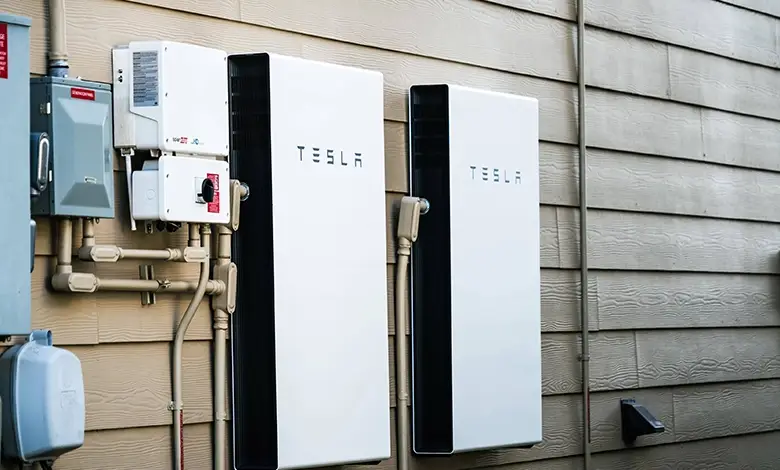
How Do You Determine the Correct Battery Bank Size for Your Home?
A home battery can feel like a big choice. Still, the idea is simple. You want enough stored power to keep your home safe, calm, and useful when the grid goes down. Also, you may want to store solar power for night use. So, the correct battery bank size depends on your real needs, not guesswork. If you size it too small, it may quit when you need it most. If you size it too large, you may spend more than needed. Therefore, this guide breaks it down in plain English. You will learn how to check energy use, backup time, battery capacity, solar input, and daily habits.
Calculate Daily Energy Use For Battery Bank
First, check how much power your home uses each day. Your electric bill shows this in kilowatt-hours (kWh). One kWh means you used 1,000 watts for one hour. For example, a small home may use 15-25 kWh per day. However, a larger home may use 30 kWh or more. So, your first job is to find your real number.
Look at the last 12 months of bills. Then divide each monthly kWh total by the number of days in that month. This gives your average daily use.
Also, check summer and winter bills. Heating and cooling can quickly change your battery needs.
- Find your monthly kWh use.
- Divide it by 30.
- Compare high-use and low-use months.
This step helps you avoid buying based on fear.
Decide Which Home Circuits Stay Powered
Next, decide what matters during an outage. Most people do not need the whole house running. Instead, they need key items. Think about your fridge, lights, Wi-Fi, phone chargers, fans, and medical devices. Also, consider a well pump or sump pump, if you have one.
“Your battery should protect your comfort, safety, and food first.” Whole-home backup requires a much larger battery bank. However, critical-load backup can cost less and last longer.
Here is a simple way to think about it:
| Backup Goal | Common Loads | Battery Need |
| Basic backup | Fridge, lights, Wi-Fi | Lower |
| Comfort backup | Basics plus fans or TV | Medium |
| Whole-home backup | HVAC, oven, laundry | Higher |
So, start with needs, then add wants.
Estimate Backup Time For Your Battery Bank
Now, choose how long you want backup power. Some homeowners want 8 hours. Others want 24 hours or more. For example, if your key loads use 1 kWh per hour, you need about 24 kWh for one full day. However, most homes do not use power at a steady rate.
At night, you may use less. During dinner, you may use more. Therefore, backup time should match your daily routine. Use this simple formula:
Battery size needed = hourly load x backup hours
So, 0.8 kWh per hour x 12 hours equals 9.6 kWh. Also, add extra space for losses and battery limits. A battery does not give back every bit of stored power. Because of that, your final size should be higher than the basic math.
Understand Usable Capacity In Home Batteries
Battery labels can confuse people. A battery may say 10 kWh. However, you may not use all 10 kWh. Most batteries keep some energy in reserve. This protects the battery and helps it last longer. Also, inverters consume some power during operation.
So, focus on usable capacity. That number tells you how much power you can truly use.
Quick Example
If a battery has a total capacity of 10 kWh and 90% usable capacity, you get about 9 kWh.
That difference matters. Therefore, always compare usable kWh, not just total kWh.
Also, ask these questions:
- What is the usable capacity?
- What is the battery’s discharge limit?
- What losses happen through the inverter?
This helps you choose a battery bank size with fewer surprises.
Include Solar Production In Battery Sizing
If you have solar panels, your battery may refill during the day. That can greatly improve backup time. However, solar output changes with weather, shade, and season. A sunny day can refill your battery well. Yet, a cloudy day may not. So, do not size your home battery based on perfect weather only. Instead, use average solar production for your area.
Also, think about when you use power. Solar panels generate the most power at midday. But many homes use more power in the evening. “A battery helps move daytime solar power into the hours when your family needs it.” Therefore, solar battery sizing should include both storage and refill rates. This gives you a better plan for real life.
Factor Large Appliances Into Battery Needs
Large appliances can drain a battery fast. Air conditioners, electric heaters, ovens, dryers, and pumps need more power. Also, some appliances need a high starting surge. That means they pull extra power when they turn on. So, your battery bank must match both energy and power. Energy is kWh. Power is kW. Think of it this way. kWh is a measure of how long the battery lasts. kW is how much it can run at once.
Before sizing, list your biggest loads.
- Central air conditioner
- Electric water heater
- Clothes dryer
- Well pump
- Electric oven
Then, decide which ones you truly need during an outage. This choice can save money and extend runtime.
Add A Safety Margin To Battery Size
Your battery should not run right on the edge. Life changes, weather changes, and power use changes, too. Therefore, add a safety margin. Many homeowners add 10% to 20% extra capacity. This gives breathing room during long outages. For example, if your math says 10 kWh, you may choose 12 kWh. If your home has medical needs, you may need more.
Also, remember battery performance can change with age and temperature. Cold or hot spaces may affect output. So, a safety margin gives peace of mind. It also lowers the risk of running out early. Still, do not overdo it. A huge battery bank may not deliver enough added value. The best size matches your real comfort level.
Key Takeaways On Battery Bank Sizing
Before you decide, review your full battery storage plan. This final check can prevent costly mistakes. Start with your daily kWh use. Then, list your must-run loads. After that, choose backup hours. Next, check usable battery capacity. Finally, include solar refill, big appliances, and a safety margin. Here is the simple path:
Daily use + critical loads + backup hours + usable capacity + safety margin = correct battery bank size
In the end, the right battery is not always the biggest one. It is the one that fits your home, your habits, and your outage worries.
When homeowners understand the numbers, they feel more in control. That is the real win. For friendly guidance on solar battery sizing, Global Green Solar can help homeowners confidently assess their power needs.